Shining a Light on Indie Candle Makers Around the World
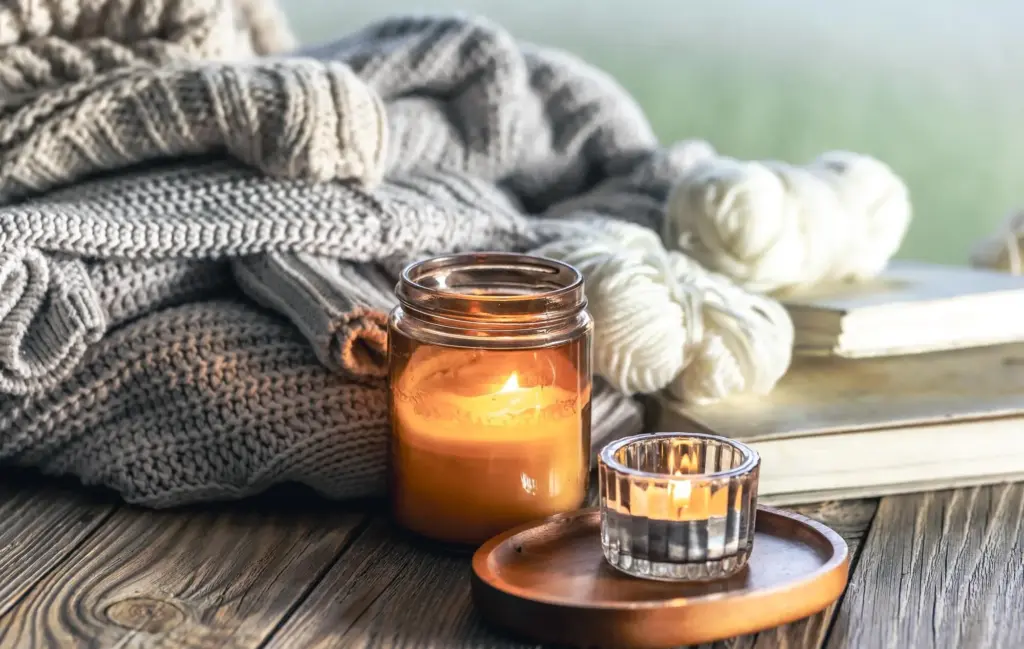
Today we turn our attention to notable indie candle makers by region, tracing the glow from bustling North American studios to quiet Nordic workshops, tropical island co-ops, and desert ateliers. Expect vivid stories about materials, scent architecture, and sustainable choices, plus insider tips for discovering artisans near you. Whether you burn for meditation, memory, or mood, let this guide lead you toward makers whose small flames carry meaningful character, local identity, and a generous sense of community.

North America: Studio Stories and Signature Scents

Across the United States and Canada, independent chandlers pair storytelling with technical skill, choosing soy blends, beeswax, and coconut–apricot bases, then layering accords that echo neighborhoods, forests, and shorelines. Discover makers experimenting with crackling wood wicks, hand-thrown ceramic vessels, and small seasonal runs. From weekend markets in Portland to snowy Montreal courtyards, scent notes travel from memory to jar. Honest testing, safety labels, and batch logs build trust, while collaborations with roasters, florists, and potters keep each collection grounded in place.

City Roasters Turned Chandlers

Some beloved neighborhood coffee roasters began pouring candles to capture the aroma of freshly ground beans, caramelized sugar, and warm pastries lingering after closing. They now blend roasted coffee absolute with tonka, cedar, and cocoa shells salvaged from local chocolatiers. Their jars often reuse espresso cups or surplus milk bottles, turning everyday cafe rituals into flickering, aromatic keepsakes that welcome guests, soften apartment acoustics, and gently mask city traffic without overwhelming tiny studio spaces or shared lofts.

Forest Notes and Coastal Breezes

Makers along the Pacific Northwest and Atlantic coasts bottle fern, lichen, driftwood, and briny air with thoughtful restraint. Instead of heavy colognes, they chase wet bark, fog-damp wool, and sun-warmed dock planks. Many test throw in wood cabins and beach bungalows, balancing cold and hot performance across seasons. Their vessels, often sandblasted glass or repurposed mason jars, celebrate shoreline thrift, while limited runs inspired by king tides or mushroom foraging seasons keep scent narratives wonderfully grounded.

Desert Heat, Cool Flames

In the Sonoran and Mojave, chandlers navigate extreme heat by optimizing cure times, stabilizing wicks, and minimizing high–flashpoint oils. Scents nod to creosote after rain, blooming night cactus, mesquite smoke, and mineral dust lit by late sun. Lightweight aluminum travel tins protect pours at outdoor markets, while hydration stations and shade canopies sustain shoppers. Community tales include sunrise markets before the mercury spikes, impromptu candle swaps at trailheads, and collaborations with ceramicists firing adobe-inspired, heat-resilient vessels.

Europe: Heritage Craft Meets Modern Minimalism

Across Europe, centuries of beeswax tradition and perfumery expertise meet contemporary, minimalist design. Artisan studios in Paris refine accord structures with precision, while Nordic makers lean into quiet, meditative atmospheres and sustainable refills. Portuguese and Italian workshops revive terracotta and marble vessels, prioritizing refill programs to reduce waste. Expect rigorous material transparency, regulatory mindfulness, and slow craftsmanship. Markets, pop-ups, and tiny boutiques become testing grounds where locals compare sillage, soot control, and wick trim tips over espresso or herbal tea.
Small-batch French makers borrow from classic perfumery pyramids, balancing head, heart, and base with elegance that still throws beautifully in compact apartments. You will find jasmine grandiflorum meeting toasted baguette crust, or violet petals diffusing into dry paper and pencil shavings evoking bookstalls along the Seine. Meticulous wick testing and batch notes preserve consistency, while recycled-label typography honors vintage apothecaries. Retailers encourage sniffing coffee beans between testers, teaching patience and care as scents unfold like conversations across hours.
Scandinavian makers often favor quiet palettes, recycled glass vessels, and pine or birch references that whisper rather than shout. Their compositions evoke snow-muted streets, sauna steam on cedar benches, and linen drying by open windows. Many highlight rapeseed wax grown closer to home, reducing transport emissions and supporting regional agriculture. Customer rituals emphasize trimming wicks, journaling burn hours, and saving empties for refills, turning each candle into a cyclical companion that evolves with changing light through the long seasons.

Asia–Pacific: Botanicals, Rituals, and Bold Innovation

Across the Asia–Pacific, candles carry echoes of incense ceremonies, monsoon breezes, eucalyptus scrub, and coconut groves. Makers blend modern safety standards with ancestral fragrance traditions, shaping vessels from clay, bamboo, and recycled glass. In Japan, steady, contemplative silhouettes guide mindful evenings. In Australia, native botanicals inspire bright, resinous clarity. Tropical studios adapt to humidity with careful cure timing and robust wick choices. Communities form through neighborhood refill bars, pop-ups in plant shops, and workshops that teach sustainable sourcing and respectful storytelling.

Latin America: Color, Community, and Scented Memory

From high-altitude markets to coastal towns, Latin American chandlers braid ancestral ingredients with contemporary design. Copal and cacao mingle with orange blossom, marigold, and salted papaya, inviting memories of festivals, kitchens, and plazas at twilight. Makers often organize cooperatives, sharing equipment and distribution while uplifting regional agriculture. Hand-painted vessels and woven sleeves become storytellers, passing between neighbors during celebrations. Expect refill days that feel like block parties, with music, tamales, and conversations about responsible sourcing, fair pay, and enduring neighborhood pride.

Africa and the Middle East: Resins, Resilience, and Radiant Design

From incense-carved trade routes to contemporary studios, makers across Africa and the Middle East pour candles that honor place and ingenuity. Frankincense, myrrh, oud, citrus blossoms, and desert herbs meet shea, beeswax, and modern clean-burning blends. Heat resilience guides testing and packaging, while vessels in brass, clay, and carved wood carry cultural lineages. Markets and souks encourage hands-on learning about wick care, safety, and burn cycles, while diaspora collaborations help small studios reach distant shelves without losing their rooted authenticity.

Frankincense Trails Reimagined

Artisans revisit ancient resin routes, working with harvesters who hand-score trees and dry tears under careful shade. They temper resinous intensity with citrus peel, rosewater, or subtle smoke, crafting meditative glow rather than overpowering haze. Jars often feature calligraphic labels, and lids double as incense trays for multifaceted rituals. Buyers receive notes about respectful sourcing and seasonal variability, learning to expect gentle differences between batches, like vintages in wine, that make each candle a tangible chapter in an enduring regional story.

Urban Makers Navigating Heat

City studios contend with scorching afternoons by pouring during cool mornings, storing wax carefully, and choosing wicks that stay reliable under stress. Shipping includes insulated wraps and clear care cards requesting first burns after sunset. Scents lean toward mint tea, chilled stone, citrus peel, and desert night jasmine. Pop-up events pair candle care talks with iced drinks, turning education into hospitality. Regulars share photos of tidy melt pools and trimmed wicks, creating a feedback loop that strengthens every new release.

How to Discover and Support Local Makers Wherever You Are
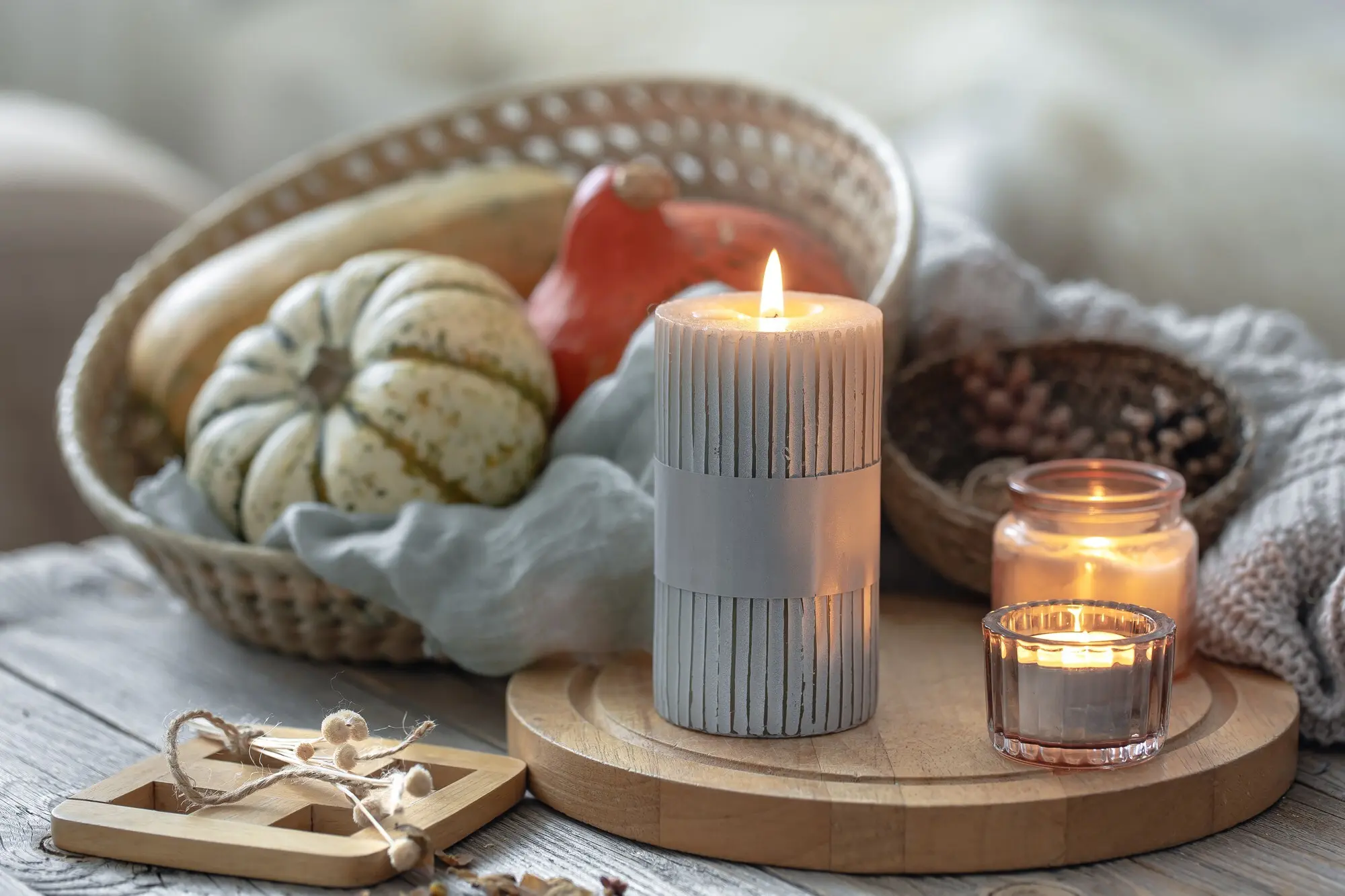
Finding indie chandlers can be joyful detective work. Start with farmers markets, plant shops, and small bookstores hosting weekend pop-ups. Follow region-specific hashtags, join newsletter lists, and track limited drops before they sell out. Learn to read notes, wick types, and safety labels. Engage with makers by asking about testing, sourcing, and refills. Share honest feedback, post burn photos, and gift travel tins. Subscribe to our updates and tell us which regions you want explored next, so we can highlight them thoughtfully.
Mexoxaritunopentokavi
Privacy Overview

This website uses cookies so that we can provide you with the best user experience possible. Cookie information is stored in your browser and performs functions such as recognising you when you return to our website and helping our team to understand which sections of the website you find most interesting and useful.