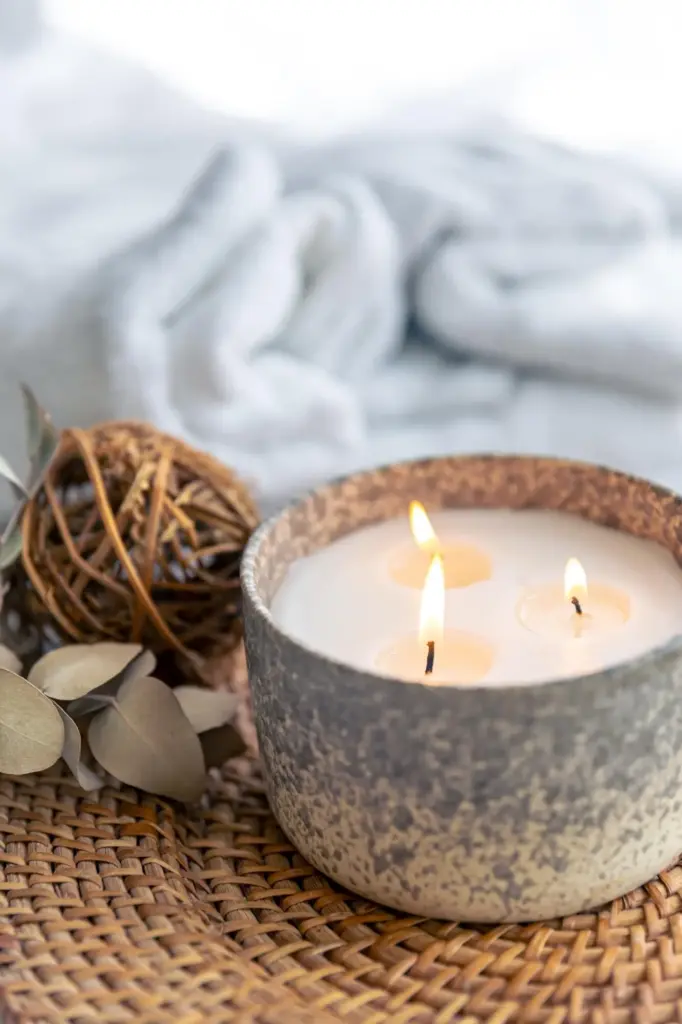

Ask where the wax was harvested or refined, and whether certificates confirm purity thresholds, contaminant limits, and ethical sourcing. Skilled makers document additive choices—antioxidants, UV inhibitors, hardeners—and justify dosages. Track lot numbers to connect performance with materials, enabling accountability, repeatability, and fair comparisons between different small-batch pours.
Measure melt point ranges and observe how the wax transitions from opaque to glossy fluid. Stable formulations resist sweating in heat and cracking in cold. High craftsmanship balances pour temperature, cure time, and ambient conditions to secure smooth tops, strong scent diffusion, and steady, soot-minimizing flames.
Examine crystalline patterns, frosting tendencies, and surface luster under natural light. Subtle ripples may indicate rushed cooling, while uniform grain signals careful staging. A seasoned maker once lined jars along a breezy windowsill through spring rains, tracking frosting shifts to refine pour temperatures and insulation strategies.

Compare cotton, paper-core, wood, or specialty wicks under identical conditions. Oversized wicks overheat vessels and blow fragrance notes; undersized wicks drown and tunnel. Evaluate capillary action, curl characteristics, and priming quality to judge compatibility with viscosities, colorants, botanicals, or dyes that may alter fuel flow.

Observe how the wick behaves between trims. Quality pours develop predictable mushrooming thresholds and maintain a teardrop flame that neither flickers wildly nor smokes. Document edge glow, carbon cap formation, and draft sensitivity to distinguish refined, test-driven choices from guesswork or one-off, lucky combinations.

Judge carbon buildup after extended burns and powerfully scented blends. Black jar rims and smoky plumes reveal imbalance. High-caliber work yields modest mushrooming, clean jar walls, and responsible self-extinguish near the base. Confirm safety margins with controlled tests, temperature probes, and timely wick snuffing before residual fuel overheats.

Alternate controlled cold and warm cycles to reveal fractures or micro-stress lines. Quality jars and tins withstand realistic kitchen drafts, seasonal windowsills, and cautious relocations. Record external temperatures during long burns to confirm safe handling, comfortable placement, and sufficient buffer zones that protect furniture, finishes, and fabrics.
Peer through the vessel wall for ghosting, pull-away seams, or wet spots that evolve with temperature swings. While some variation is natural, consistent adhesion suggests careful preheating, pour timing, and cure control. Note how imperfections interact with label placement, color, and overall design coherence during everyday use.
Record room temperature and drafts, then start clocks. Well-matched systems reach an even melt pool within manufacturer guidance for the vessel diameter. Overheating signals excess wick size; delays indicate restrictions. Post results and settings so other evaluators can reproduce findings and refine expectations across brands and seasons.
Note how early burns impact memory rings and side adhesion. Intentional long first sessions can prevent tunneling, yet overextension risks overheating. One evaluator salvaged a favorite blend by resizing the wick and resetting memory rings with foil, demonstrating how patient, precise adjustments outperform hasty, risky fixes.
Adopt simple templates for measurements, photos, and observations. Consistent angles and backgrounds reveal subtle differences between batches. Sharing failures is as valuable as showcasing triumphs. Iterative improvements, documented honestly, help makers and reviewers align expectations, reduce waste, and highlight the intentional choices behind serene, reliable candle experiences.
All Rights Reserved.